November 3, 2026
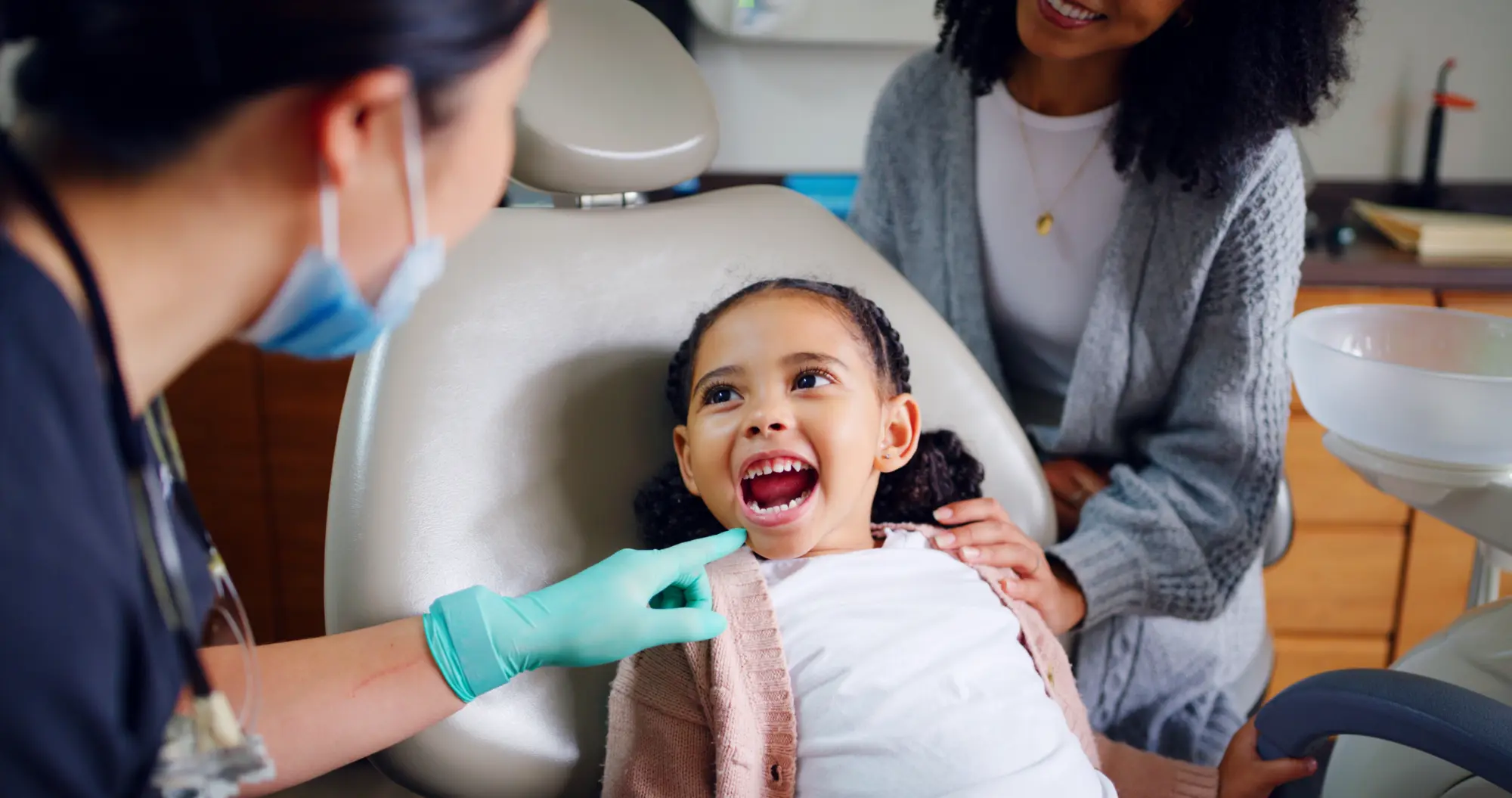
Parents often wonder why their little one’s adorable smile features those noticeable gaps
between baby teeth. Is it normal? Should you be worried? The short answer is that gaps in baby teeth are entirely natural, and even beneficial!
At Mission Bay Pediatric Dentistry in San Francisco, we know how important early dental
development is for lifelong oral health. Led by board-certified pediatric dentist Dr. Erin Shah, we’re here to put your mind at ease, share insights on this common milestone, and guide your family through it with confidence and care.
What Causes Gaps Between Baby Teeth?
Contrary to how it might seem, those seemingly “empty” spaces in your child’s smile play a vital developmental role, and they’re completely normal! Tooth gaps, also known as diastemas, occur naturally as part of the growth process. Baby teeth are smaller than permanent teeth, and the spaces between them ensure there’s enough room for the larger, adult teeth to grow in properly over time.
The Developmental Reason Behind Baby Teeth Gaps
Think of your child’s smile as a blueprint for their adult teeth. Gaps between baby teeth allow:
- Space for larger permanent teeth to erupt without crowding.
- Proper alignment as the jaw grows and develops.
- Healthy spacing, which helps make brushing and flossing easier and reduces the risk of decay in tight spots.
In cases where gaps are absent and baby teeth are tightly packed, crowding issues with
permanent teeth can occur later. Dr. Shah, who has extensive training and experience working with growing smiles, closely monitors these changes during regular visits to ensure your child’s dental development stays on track.
Will Gaps in Baby Teeth Close on Their Own?
Yes, most gaps in baby teeth close naturally once permanent teeth start coming in. This
typically happens between the ages of 6 and 12 years, when adult teeth replace primary teeth.
However, some factors can influence whether gaps persist or resolve, including:
- Inherited characteristics: Genetics play a significant role in jaw size and tooth
positioning.
- Oral habits: Prolonged thumb-sucking or pacifier use can impact alignment
and create gaps in some cases.
- Missing teeth: Occasionally, a missing adult tooth may cause gaps to remain.
- Tethered oral tissues: Normal oral connective tissue called “fremums” can sometimes create a gap if the tissue is particularly thick or tightly adhered to the jaw.
If gaps persist or seem out of the ordinary, don’t hesitate to contact our San Francisco office. Dr. Shah provides expert evaluations and can help determine if intervention, such as orthodontic care, might be beneficial for your child’s long-term oral health.
Why Are Baby Teeth Important, Even if They’re Temporary?
It’s easy to think of baby teeth as placeholders, but they’re so much more than that. Even a
child’s temporary teeth play a crucial role in their overall health and development. Healthy baby teeth:
- Help your child chew and speak properly.
- Maintain the correct spacing and alignment for permanent teeth.
- Encourage confidence and comfort in their smile.
- Prevent oral health issues by allowing thorough cleaning access.
They stay around for a long time, too. Your child will have a full mouth of baby teeth by the age of 3, and their final baby teeth won’t fall out and be replaced by adult molars until the age of 11-12! That’s why it’s vital to stay proactive with regular dental visits and healthy oral hygiene habits, starting even before the first tooth erupts. Mission Bay Pediatric Dentistry’s kid-friendly, comfort- focused approach makes dental care fun and stress-free, for both children and parents alike!
How to Support Healthy Baby Teeth and Gums
While gaps in baby teeth are perfectly normal, maintaining excellent oral health is essential to ensure smooth development. Here’s what you can do at home:
- Start early: Even before teeth appear, clean your baby’s gums with a soft, damp cloth after feedings to reduce bacteria buildup.
- Brush effectively: Once those first teeth emerge, use a rice-grain-sized amount of
fluoride toothpaste and a soft-bristled brush. Upgrade to a pea-sized amount around age 3.
- Floss regularly: Introduce flossing as soon as teeth start to touch, teaching your little one proper technique early.
- Keep appointments: Schedule the first dental visit by your child’s first birthday to monitor growth and ensure oral health milestones are being met.
- Eat tooth-friendly snacks: Nutritious, low-sugar snacks like cheese, fruits, and veggies help promote strong teeth and gums.
At Mission Bay Pediatric Dentistry, we make sure both you and your child feel supported every step of the way. Parents appreciate our collaborative approach, where your concerns are heard, and tailored guidance is provided, always without any judgment.
When Should You Worry About Gaps?
While baby teeth gaps are usually harmless, here are a few scenarios that may warrant further evaluation:
- Gaps caused by missing teeth or abnormal growth patterns.
- Large gaps that persist past early adolescence.
- Signs of misalignment or speech issues linked to the spacing of baby or permanent teeth.
In these cases, an expert evaluation can uncover potential concerns early and help prevent
future problems. Dr. Shah leverages her advanced training and extensive experience,
particularly with young patients with complex needs like autism or medical conditions, to provide compassionate solutions tailored to your child’s unique situation.
A Smile That Grows with Confidence
As a parent, it’s natural to keep a watchful eye on your child’s oral health and development. At Mission Bay Pediatric Dentistry, we’re here to ease those worries by ensuring your little one gets the best possible care in an environment that feels safe, welcoming, and fun. From our toy-filled play areas to our private toddler-friendly spaces, every detail is designed with your family’s comfort in mind.
Have questions about your child’s dental development or looking for a trusted partner to guide your family through every smile milestone? Call us today at (415) 825-3323 or book an appointment online. Together, we’ll ensure your little one’s smile remains healthy, happy, and gap-positive!